
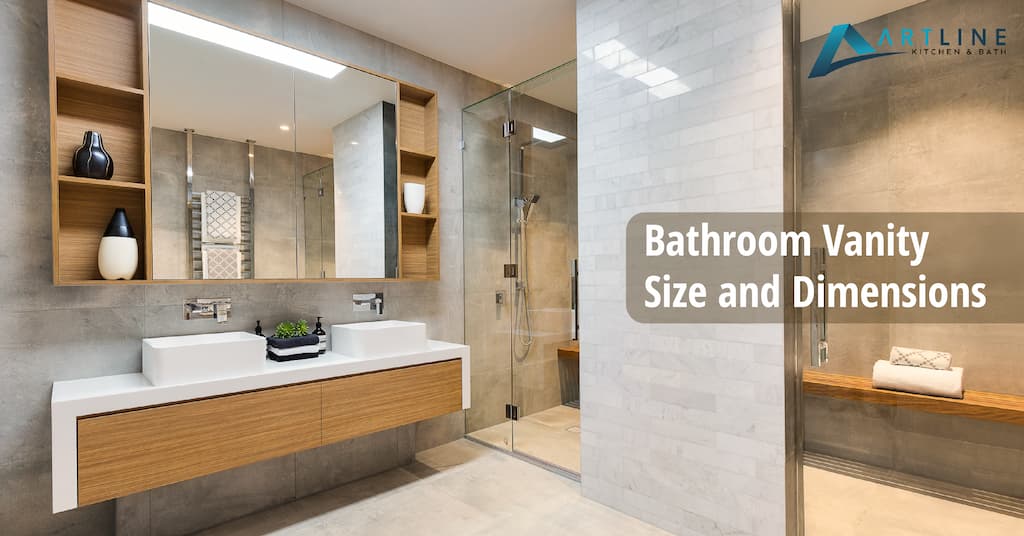
Bathroom vanity sizes vary by shape (standard or corner) and number of sinks (single or double). Each caters to different bathroom layouts and storage needs. Custom vanities offer tailored solutions for unique spaces.
>Accurate measurement of bathroom dimensions is essential when selecting the ideal vanity size. This ensures a balance between aesthetics and functionality without overwhelming or underutilizing the space. Key considerations include determining vanity placement, measuring width, depth, and height, verifying plumbing alignment, and accounting for lighting, mirrors, and obstructions.
Installation challenges may arise based on vanity size, requiring professional consultation for larger or uniquely shaped vanities. Ultimately, selecting the right bathroom vanity involves considering style preferences, storage requirements, and size constraints to enhance bathroom remodeling projects effectively.
Standard Vanity Sizes
The most common standard sizes and dimensions for a bathroom vanity are 36 inches (91.44 cm) wide, 21 inches (53.34 cm) deep, and 32 inches (81.28 cm) tall. These sizes and dimensions are popular as they offer comfortable single-sink usage with functional cabinet space, which is good enough for most people. This depth allows for sufficient space for the countertop and sink. The height makes it easy for most users to access the sink.
Single-Sink Vanity Sizes
Single-sink vanities are perfect for compact bathrooms or powder rooms. Single vanities maximize a small room while still offering helpful storage.
Standard bathroom vanity widths:
- 24-inch bathroom vanity (53.34 cm)
- 30-inch bathroom vanity ( 76.2 cm)
- 36-inch bathroom vanity (91.44 cm)
- 42-inch bathroom vanity (106.68 cm)
- 48-inch bathroom vanity (121.92 cm)
Standard bathroom vanity depths:
- 18-inch (45.72 cm)
- 21-inch (53.34 cm)
- 22-inch (55.88 cm)
Double-Sink Vanity Sizes
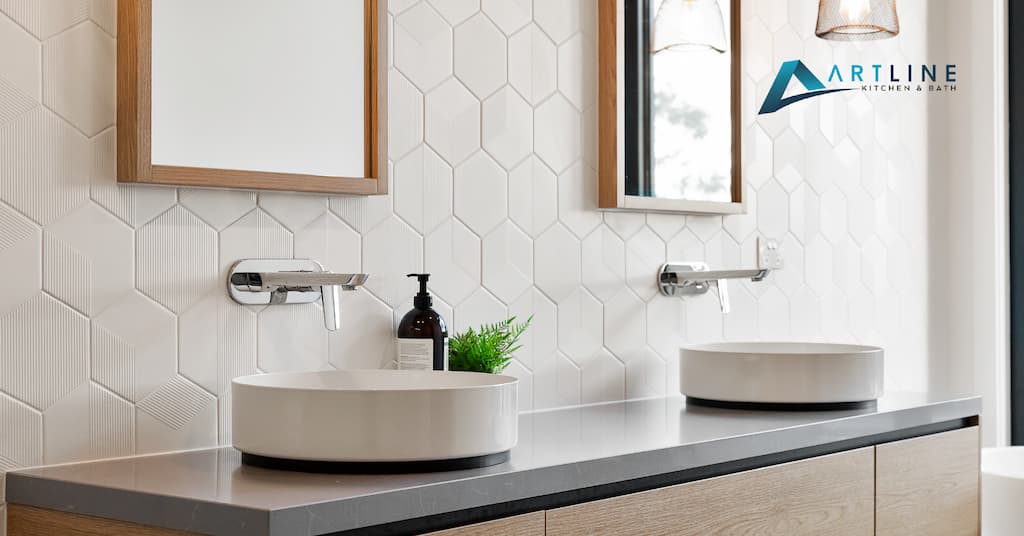
Double-sink vanities are very functional and elegant for master or shared baths shared by two people. Joint double sink widths are 60-inch (152.4 cm), 72-inch (182.88 cm), and rarely up to 96-inch (243.84 cm). This allows extended personal space at each sink position. Their depths range from 21″ to 24″ (53.34 to 60.96 cm) to maximize counter area and storage.
Corner Vanity Sizes
Corner vanities make a dead square in the bathroom valuable space. Their triangular shape fits into a corner of a room. Typical corner vanities are 36 inches or 42 inches (91.44 or 106.68 cm) wide along both sides of the wall. Well-designed corner vanities provide good counter space, cupboards below, and sometimes open shelving. They are an ideal space-saving option.
Custom Vanity Sizes
Custom-sized vanities are a good solution for bathrooms needing specific sizing. Consider custom vanities if your bathroom has an irregular shape or limited space. Getting professional help with your custom vanity ideas is a good idea, as they can be tailored to the customer’s needs. Ideally, custom vanities fit the space and incorporate desired features like double sinks, towel storage, or unique countertop materials. You can get professional help if you are indecisive about your custom bathroom vanity.
Floating Wall-Mounted Vanity Sizes
Floating wall-mounted vanity sizes differ from traditional floor-mounted models because the height is adjustable and the base does not touch the floor. This design creates open space beneath, making bathrooms feel larger and easier to clean. In 2025, floating vanities are common in modern remodels, especially in urban apartments and spa-inspired bathrooms.
Standard widths for floating vanities are similar to floor-mounted options:
- 24-inch (60.96 cm)
- 30-inch (76.2 cm)
- 36-inch (91.44 cm)
- 48-inch (121.92 cm)
- 60-inch (152.4 cm)
- 72-inch (182.88 cm)
Depth usually ranges between 18 and 21 inches (45.72 to 53.34 cm). Slim 16-inch deep models are also growing in popularity for powder rooms and narrow bathrooms.
Recommended Mounting Heights for Floating Wall-Mounted Vanities
Floating wall-mounted vanity sizes offer flexibility in vertical placement. The standard installation height today is 32 to 36 inches (81.28 to 91.44 cm) from the floor to the countertop. Many homeowners now prefer 34 to 36 inches for better ergonomics, especially for taller adults.
A common modern design choice is to leave 10 to 15 inches (25.4 to 38.1 cm) of clearance between the floor and the bottom of the vanity. Some high-end contemporary designs extend that clearance to 18 or even 20 inches for a more dramatic floating effect.
For accessibility-focused bathrooms, ADA-compliant installations typically require the countertop to be no higher than 34 inches (86.36 cm) above the floor, with adequate knee clearance beneath.
Structural and Plumbing Considerations
Floating wall-mounted vanity sizes require proper wall support. Unlike floor-standing models, these units rely on wall studs or reinforced blocking to carry weight. A fully loaded 48-inch floating vanity with a stone countertop can weigh over 200 pounds (90 kg). Professional installation is often recommended to ensure the vanity is securely installed.
Plumbing placement also differs. Drain lines and water supply connections must align within the wall cavity rather than inside a cabinet base. Concealed P-traps and wall-mounted faucets are increasingly popular with floating designs, which influences rough-in measurements.
Storage Trade-Offs
Floating wall-mounted vanity sizes sometimes reduce cabinet depth compared to traditional vanities. To compensate, manufacturers now design deeper drawers with U-shaped cutouts around plumbing. Many models include full-extension soft-close drawers instead of standard cabinet doors, improving storage efficiency.
This design works well in small bathrooms where visual openness matters more than maximum storage. In larger master bathrooms, floating double-sink vanities measuring 60 to 72 inches offer a balance of style and function.
When to Choose a Floating Vanity
Floating wall-mounted vanity sizes are ideal for:
- Small bathrooms that need visual expansion
- Modern or minimalist remodels
- Homes with robotic floor cleaners
- Accessibility-focused layouts
- Contemporary double-sink master bathrooms
Homeowners planning a full renovation should decide on floating installation early, since wall reinforcement and plumbing adjustments may be required before tile and drywall are completed.
Adding a floating vanity section helps reflect current bathroom remodeling preferences while expanding your sizing considerations beyond traditional floor-mounted models.
Balancing Bathroom Vanity Dimensions with Style
It’s important to harmonize the size and dimensions with your desired aesthetic when selecting the perfect bathroom vanity size. Some vanity styles may require specific size considerations, while in other cases, the dimensions you have to work with can shape and limit your style options.
For instance, a minimalist single-sink vanity design often has more compact dimensions for a clean, uncluttered look. In contrast, a grand double-sink vanity style may look more luxurious and elegant, but requires larger dimensions to accommodate. By carefully balancing these factors, you can create a practical and appealing bathroom.
Bathroom Vanity Installation Considerations for Different Sizes
The dimensions of your bathroom vanity can affect the installation process, potentially presenting challenges. For example, more oversized vanities, especially those exceeding 60″ (152.4 cm) in width, may require specialized techniques during delivery and installation. Smaller vanities challenge plumbing connections and proper clearance for drawers and cabinet doors. Consulting with a professional installer or contractor can help you minimize such potential installation problems.
Bathroom Vanity Sizes and Storage Considerations
Consider vanity sizes during bathroom remodeling, as long as they meet your storage needs. The dimensions of your bathroom vanity significantly influence the storage solutions you choose. More oversized vanities offer ample cabinet space for storing towels, toiletries, and other essentials. They are ideal for shared or high-traffic bathrooms. Smaller vanities require creative storage solutions, such as open shelving, hanging racks, or wall-mounted cabinets, to maximize functional space. A well-planned vanity combines style, functionality, and ample storage to create a neat, organized bathroom.
The Importance of Accurate Measurements
Accurate measurements are crucial in home improvement, especially when remodeling a bathroom. A perfect vanity should complement the room size and layout without being overwhelming or cramped. Choosing a vanity that’s too large or too small for the bathroom space can have several negative consequences.
Overly large vanities can make the bathroom feel narrower and crampier. They may interfere with door and cabinet openings and closings, obstruct traffic flow, and make moving around in the bathroom challenging. This can be problematic in bathrooms with multiple users or limited space.
On the other hand, choosing a smaller vanity may require more storage space for bathroom items, leading to disorganization. Smaller vanities often come with undersized sinks, which can be impractical and uncomfortable for daily use, especially for taller individuals.
How to Measure Your Bathroom for a Vanity
To measure your bathroom, determine the placement, measure the width and the depth, consider height, check for plumbing, allow for lighting and mirrors, note obstructions, and plan for future changes.
- Determine the Placement: Consider where you want to place the vanity in your bathroom, including access to plumbing and traffic flow.
- Measure the Width: Use a tape measure to measure the maximum width available for the vanity. Allow a few inches on either side of the vanity to avoid any fitting problems.
- Measure the Depth: >Use a tape measure to determine the maximum depth available for the vanity again. Measure out from the wall how far you want the vanity to extend. Standard vanity depth is typically between 17 inches and 24 inches (43.18 to 60.96 cm).>
- Consider Height: Standard vanity height is about 30 to 34 inches (76.2 to 86.36 cm), but it may vary depending on who uses it. Consider the users’ heights.
- Check for Plumbing: Locate the existing plumbing, drain, and water supply lines. Your new vanity must accommodate these placements unless you plan to relocate the plumbing.
- Allow for Lighting and Mirrors: Mirrors and proper lighting make the bathroom look more spacious. Thus, there is enough space above the vanity for a mirror and lighting. When choosing your vanity height, consider the mirror’s height and any overhead lighting.
- Note Obstructions: While measuring, note any potential obstructions that could interfere with the vanity placement, such as windows, shelving, HVAC vents, angled walls, doors, electrical outlets, and switches, to ensure the vanity and its doors or drawers open smoothly.
- Plan for Future Changes: Are you considering remodeling any bathroom? It may be wise to allow for slightly smaller vanity dimensions. If you change other bathroom elements, such changes can affect the space available for your vanity.
Conclusion
Selecting the ideal bathroom vanity with accurate measurements that harmonize with your space enhances functionality and aesthetics. Whether opting for a single-sink, double-sink, corner, or custom vanity, understanding the standard sizes and dimensions is crucial for making informed decisions.
Considering installation challenges and storage needs relative to vanity size helps ensure a practical, visually appealing bathroom setup. Ultimately, meticulous planning and aligning your vanity choice with your bathroom’s layout and style can deliver a seamless, satisfying bathroom remodel.
Complete a simple form to schedule your complimentary consultation for bathroom vanities as part of your bathroom remodeling project.